
Need More Info
Send Us Your Enquiries





About Company
Professional Social Business
Bioresources Development Group (BDG) is a corporate 'Social Business' that has six subsidiaries that promotes the development and sustainable utilization of natural products for health and cosmetics.
The organization was established to provide both economic and moral support to activities and community services that enhance social harmony and general wellbeing of the society.
For more than 20 years, the organization has used a business approach to promote natural products research, social business and poverty alleviation.
- Certified Company
20+
Years In Business
6
Subsidiaries
2k+
Research & Patents
150+
Trained Staff
Our Products
Some of our Products
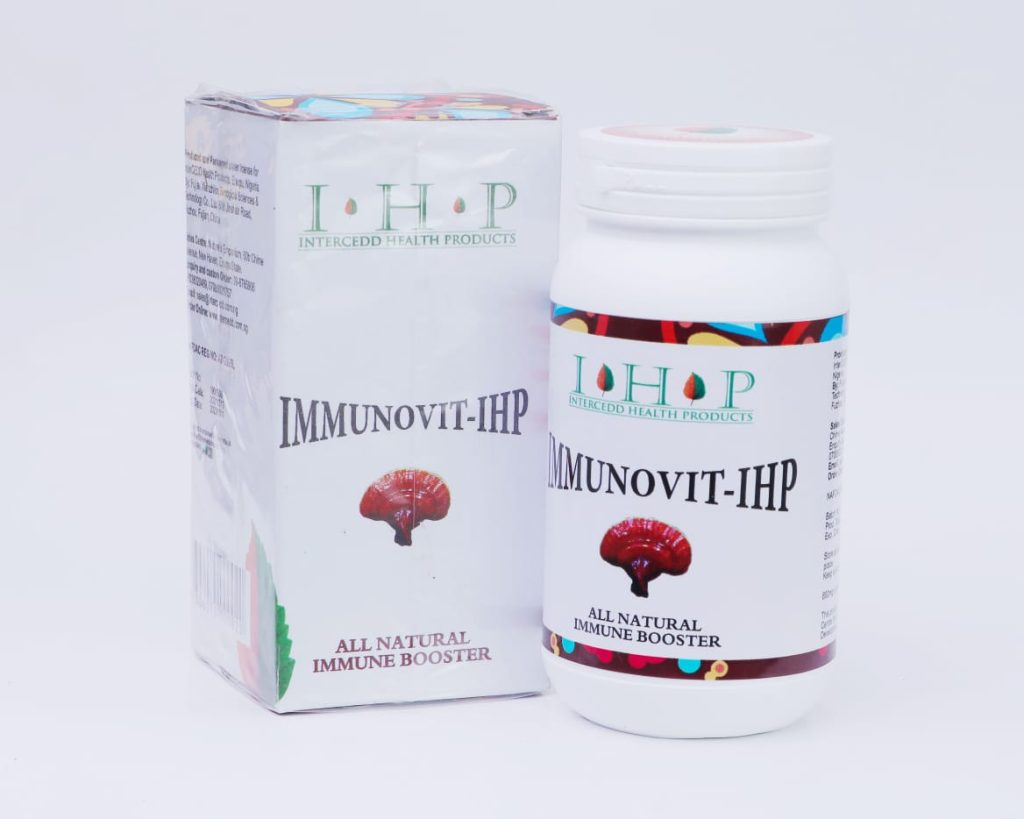
Immunovit - IHP
Immune boosting benefits of Ganoderma mushroom, for adaptogenic, immune enhancing effects of Korean ginseng root extract.
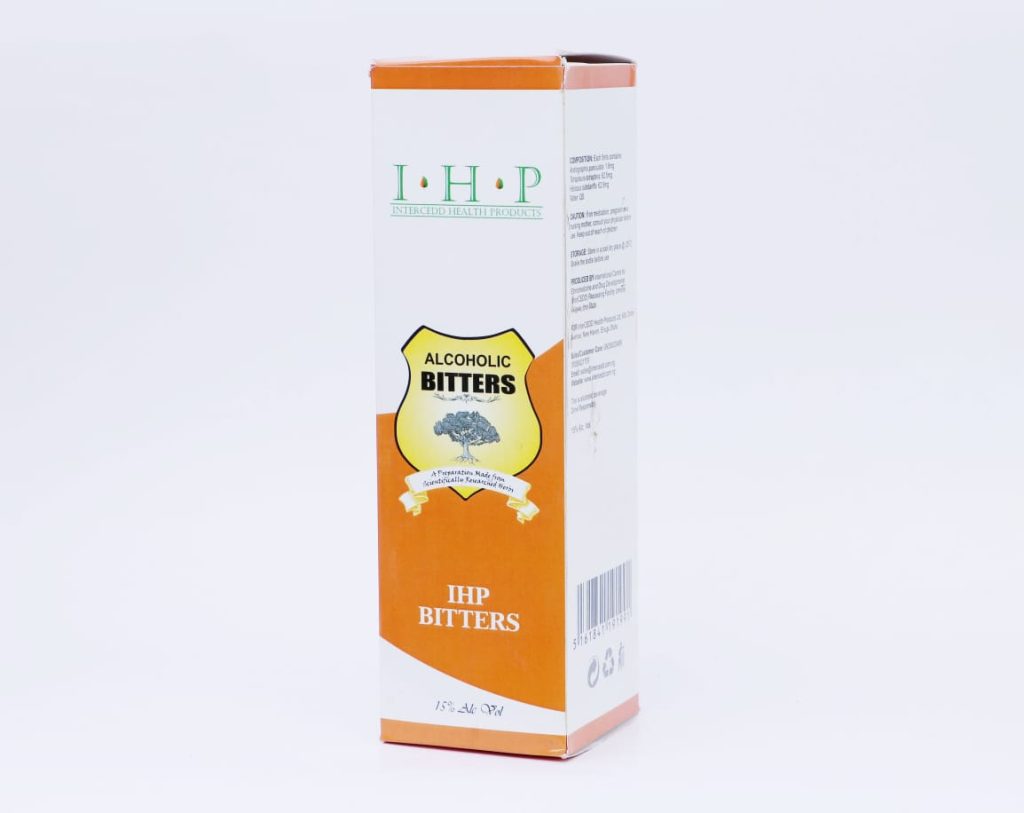
IHP Bitters
A blend of exotic herbs enriched for the management of infectious diseases, with powerful immune strengthening benefits.
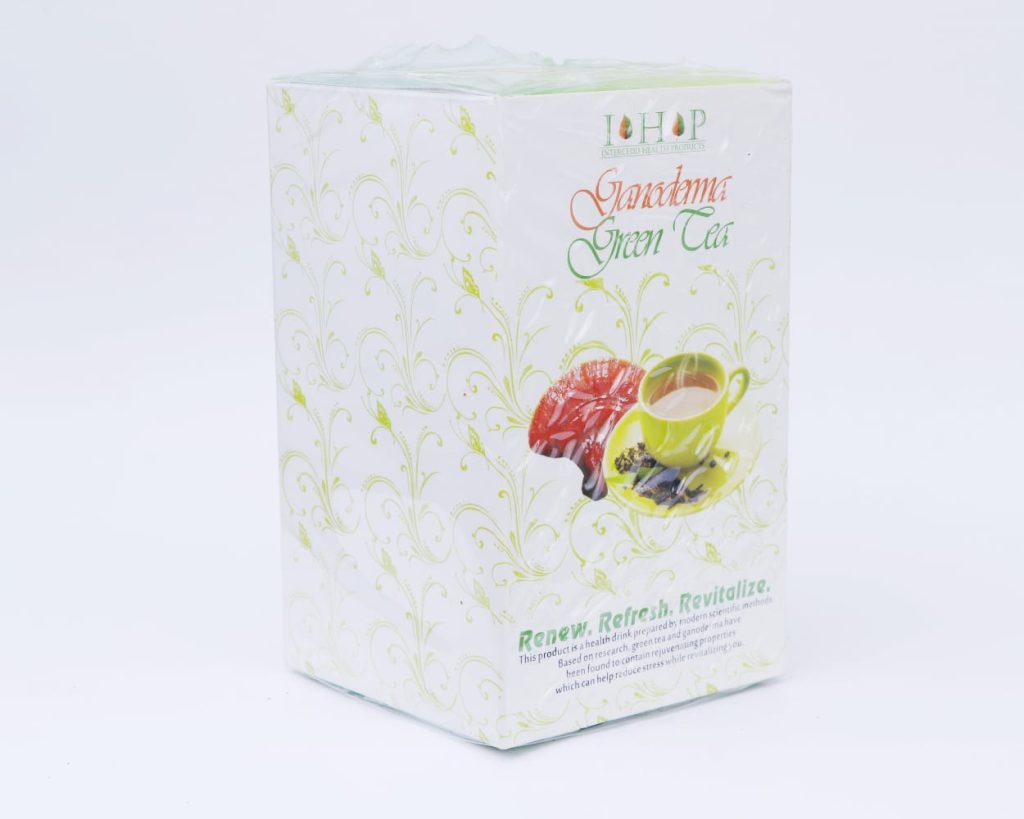
Ganoderma Green tea
IHP Ganoderma Green Tea is a specialty blend of a proprietary extract of Camellia saneness and Ganoderma Lucidum.
Our Core Values
Successfull organizations start with people firmly committed to a set of core values, which cannot be compromised without weakening the organizations. These core values were developed to guide us in our work to attract others sharing these values and to serve as the very basis of BDG's corporate existence.
- Strength
- Accountability
- Trust
- Respect
- Value-centricity

Why Choose Us
Six Reasons People Choose Us
Quality Service Delivery
We are recongnised for our excellent service delivery to all our partners.
Accredited
We are accredited to carryout research and teach health related topics.
Trained Workers
With over 20 years in business, we have trained experts in our field of business.
Time Availability
We carry out businesses and task in a timely manner.
Quick Response
24/7 customer service department to answer an enquiries.
Long Lasting Relationship
We crave to build long lasting business relationships with all our clients/partners
People Say The Nicest Things
Some Testimonials from Happy customers that have used our Products.
Jeniffer S.
Since the day I was introduced to IHP Virgin Coconut oil by a friend. I have made it a part of my skin care kits because it makes my skin spotless and bright.
Pamela Duncan
I use the Immunovit-IHP always, because gives my immune system an added boost without me having to worry about unnecessary ingredients.
Steve Ayo
I add IHP natural supplement to my natural arsenal of overall health boosters; I feel better when taking it and notice the difference in my overall energy and wellness without it
Want to know more?
Get in Touch
Offices
Head Office
No. 1 J.B Leton Close, Off Abdullahi Ibrahim Street, Off T.O.S Benson, Ngozi Okonjo Iweala Way, Utako, Abuja, Nigeria
Phone: +2348038020489
Email: Info@bioresources.org